For thousands of years, saffron has fascinated people across continents. From ancient healers to royal chefs and modern food lovers, this tiny red thread has carried stories of luxury, healing, and beauty. Today, saffron remains one of the most treasured spices on earth — and for good reason.
In this article, we dive into the most common questions about saffron, and explore why AKU Saffron proudly carries this precious tradition into the modern world.
1. What Is Saffron?
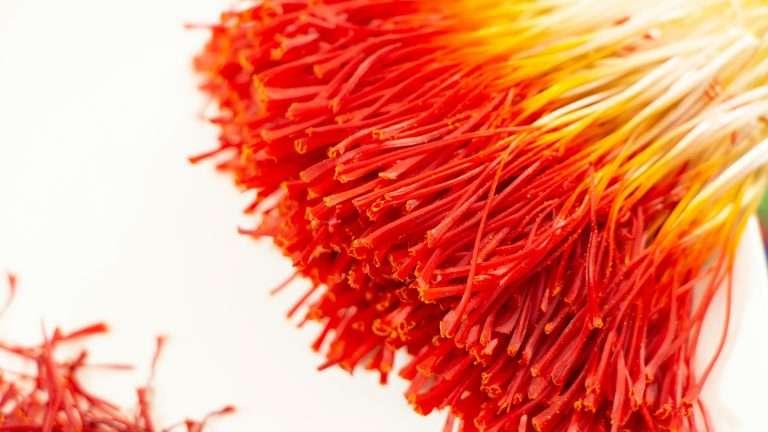
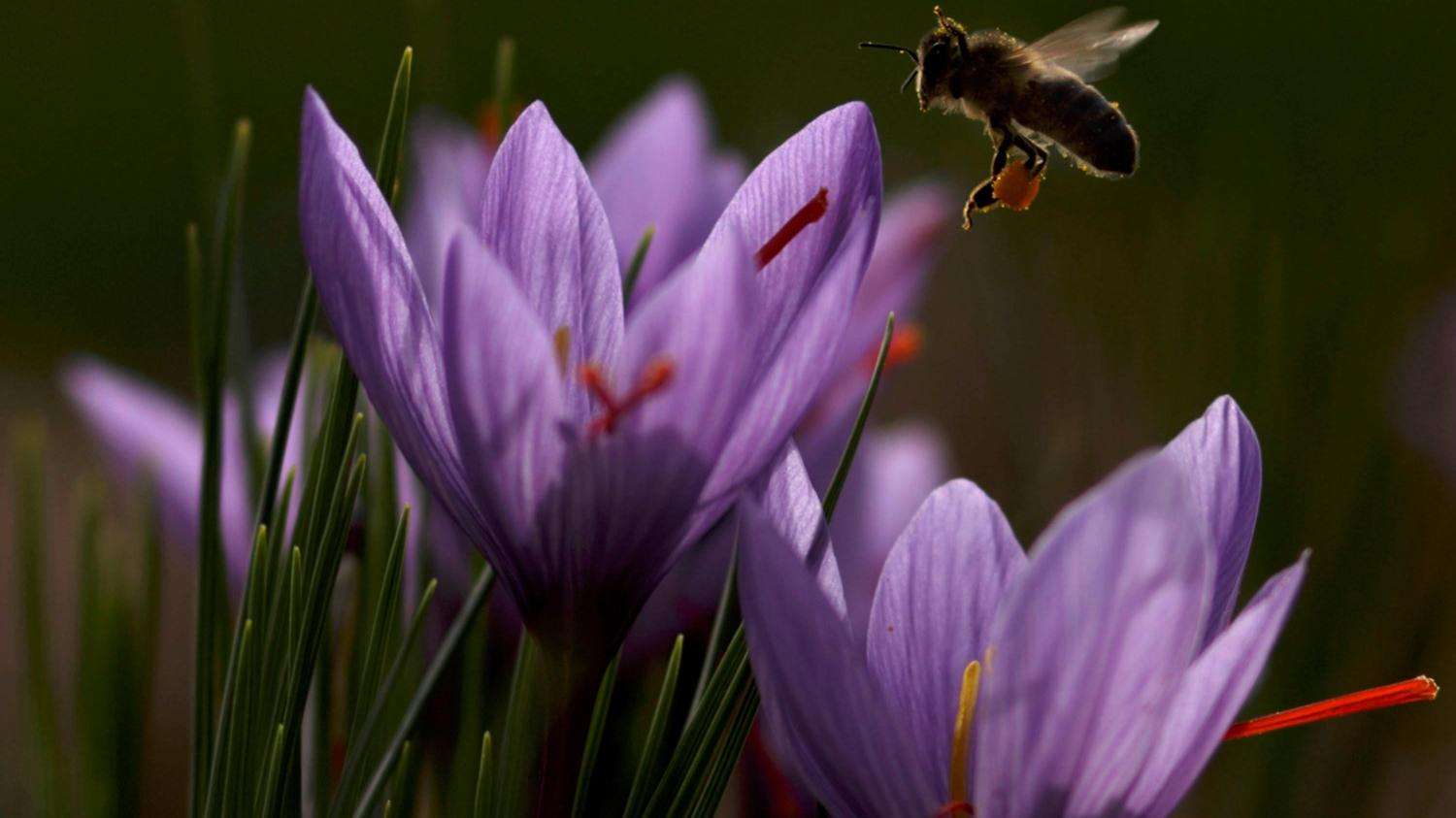
Saffron is a spice made from the dried red stigmas of a flower called Crocus sativus. Each flower grows only three delicate red threads, which are carefully hand-picked and dried. These threads are what transform ordinary dishes into something warm, aromatic, and beautifully golden.
Saffron is also known as the most expensive spice in the world, and many call it “red gold” — not only because of its color, but because of its unmatched value.
2. Who Discovered Saffron?
The story of saffron goes back more than 3,500 years. The earliest recorded use comes from ancient Persia, where saffron was used for medicine, dye, perfume, and cooking. Persians believed it brought happiness and strength, and kings used it to perfume their baths and brighten their dishes.
From Persia, saffron traveled along the Silk Road to India, China, Spain, and the Mediterranean. Every culture added its own history and meaning to it — but its roots remain deeply connected to ancient Iranian civilization.
3. What Is Saffron Made From?
Saffron comes from one simple place: the stigma (thread) of the Crocus sativus flower.
Each flower has:
- 3 red stigmas → these become saffron
- hand-harvested only once a year
- picked early in the morning before the sun damages the petals
Because each flower gives so little saffron, and harvesting is delicate and manual, the spice becomes extremely rare and valuable.
4. What Does Saffron Taste Like?
Describing the taste of saffron is a little like describing sunshine: warm, soothing, and impossible to forget.
The flavor is:
- earthy but gentle
- slightly sweet
- warm with a hint of floral notes
- deeply aromatic
Saffron doesn’t overpower a dish, it enhances it. A single pinch changes the color, aroma, and experience of the food entirely.
5. What Is Saffron Used For?
Safran wird seit Jahrhunderten für Küche, Gesundheit und Schönheit genutzt. Heute findet man ihn in:
1. Cooking
- Persian dishes like tahdig and saffron rice
- Spanish paella
- Indian biryani
- Italian risotto
- Desserts, teas, and even saffron latte
2. Wellness
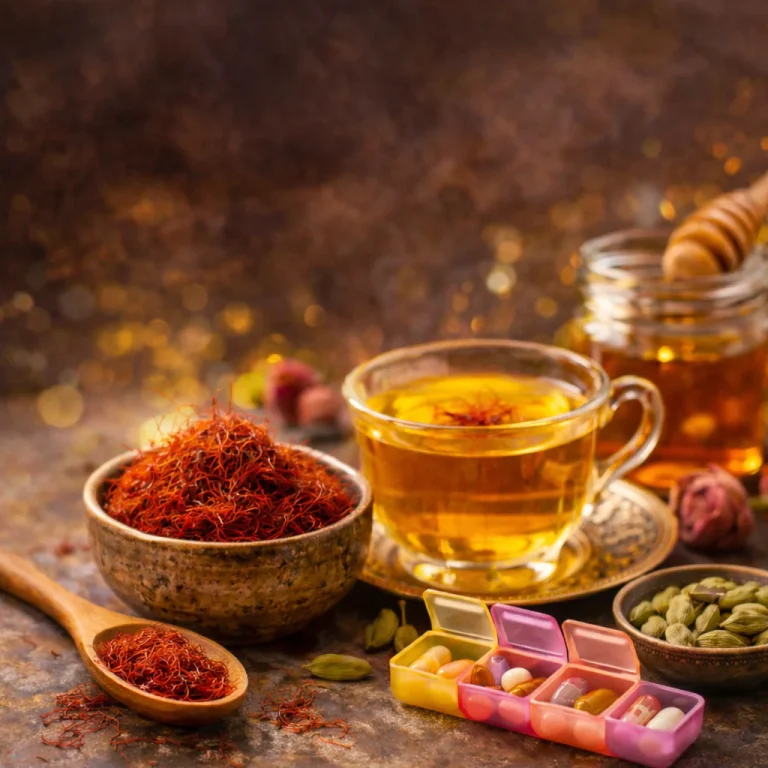
Saffron is rich in antioxidants and has been linked to:
- improved mood
- better sleep
- reduced anxiety
- stronger heart health
- anti-inflammatory benefits
3. Beauty
Saffron is used in face masks, perfumes, soaps, and skincare for its glowing and soothing qualities.
6. Why Is Saffron So Expensive?
There are a few reasons saffron is often called red gold:
- Labor-intensive harvesting
Each thread is hand-picked. It takes 150,000 flowers to produce 1 kilogram of pure saffron. - Short blooming season
Saffron flowers bloom for only two weeks a year. - Limited growing regions
Only specific climates can grow saffron. - Begrenzte Anbaugebiete
Nur bestimmte Klimazonen eignen sich für Safran.
Because of all this, real saffron is rare and extremely valuable.
7. Will Saffron Expire?
Saffron does not “spoil,” but it loses aroma and color over time.
Properly stored saffron lasts:
- 3–4 years at peak quality
- protected from light, moisture, heat, and strong odors
High-quality saffron like AKU Saffron keeps its color and aroma longer because it is carefully dried and stored.
8. Where Is Saffron Grown?
Saffron thrives in dry, sunny climates with cold winters. The world’s major saffron regions include:
- Iran – the largest and most historic producer
- Spain – known for La Mancha saffron
- India (Kashmir) – rare and limited production
- Italy – Abruzzo saffron
- Afghanistan
- Greece
Iran’s saffron, however, is famous for its deep color and strong aroma — often considered among the best in the world.
9. Which Saffron Is the Best?
The best saffron has:
- long, dark red threads
- no yellow or white threads mixed in
- strong aroma (slightly honey-like and earthy)
- intense coloring power
- Grade 1 (ISO 3632) certification
Among global experts, Iranian Super Negin saffron is widely regarded as the highest quality due to its deep color, powerful aroma, and long threads. This is the type of saffron AKU Saffron proudly provides.
10. How to Prepare Saffron
Preparing saffron the right way unlocks its full flavor and color. Here’s the most effective method used by Persian chefs:
1. Grind the Threads
Crush a small pinch (usually 5–10 threads) using:
- a mortar and pestle
- or between two spoons
2. Bloom the Saffron
Add the crushed saffron to:
2 tablespoons of hot water, warm milk, or
a few ice cubes (traditional Persian method for deeper flavor called Ice technique )
Let it sit for 10–15 minutes. It becomes a golden liquid full of aroma and color.
3. Add to Your Dish
Use the liquid in:
- rice
- stews
- desserts
- drinks
- marinades
A little goes a long way, even a small amount transforms a dish.
Saffron is more than a spice; it is a story of culture, patience, and craftsmanship. Every thread represents hundreds of years of tradition and thousands of carefully picked flowers. From ancient Persia to your modern kitchen, saffron continues to inspire chefs, families, and food lovers around the world.
AKU Saffron proudly carries this heritage with the highest quality, hand-harvested saffron — so you can experience the true taste and aroma of red gold.