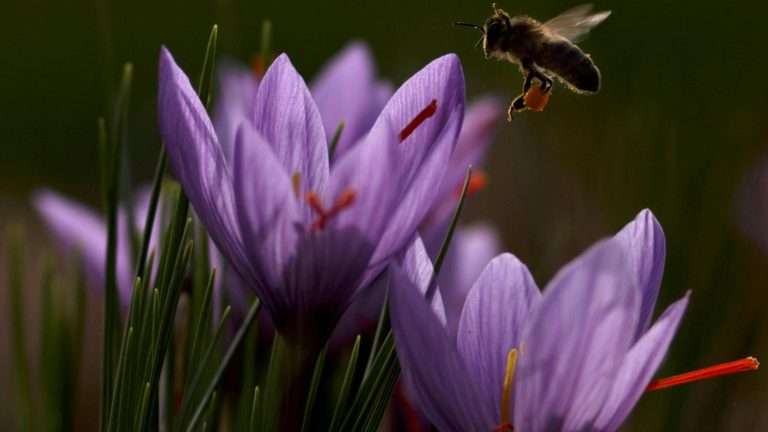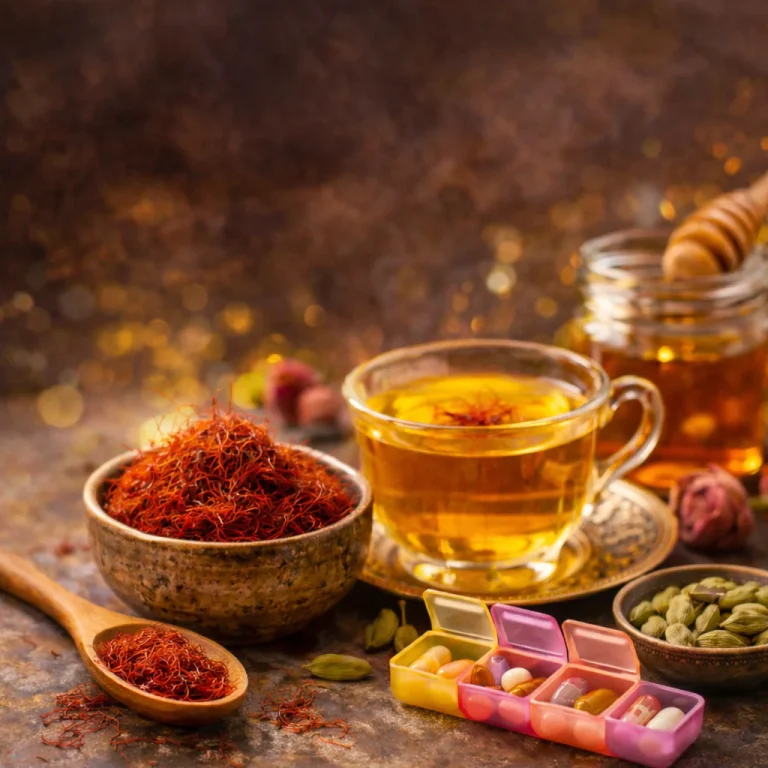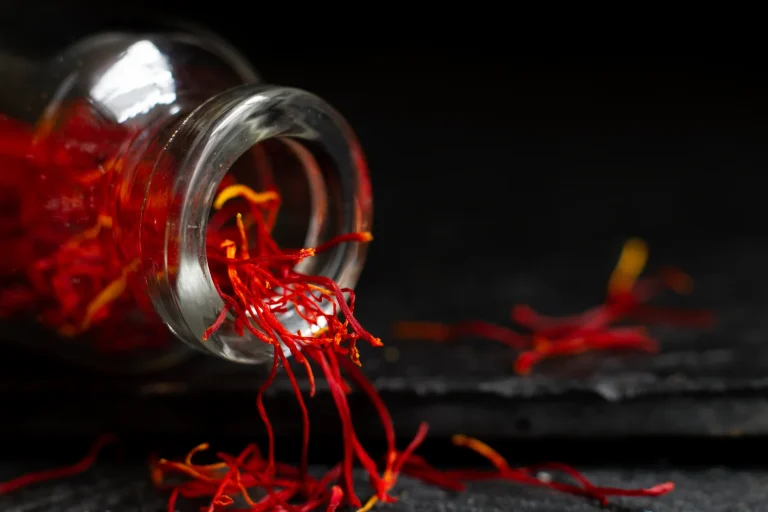
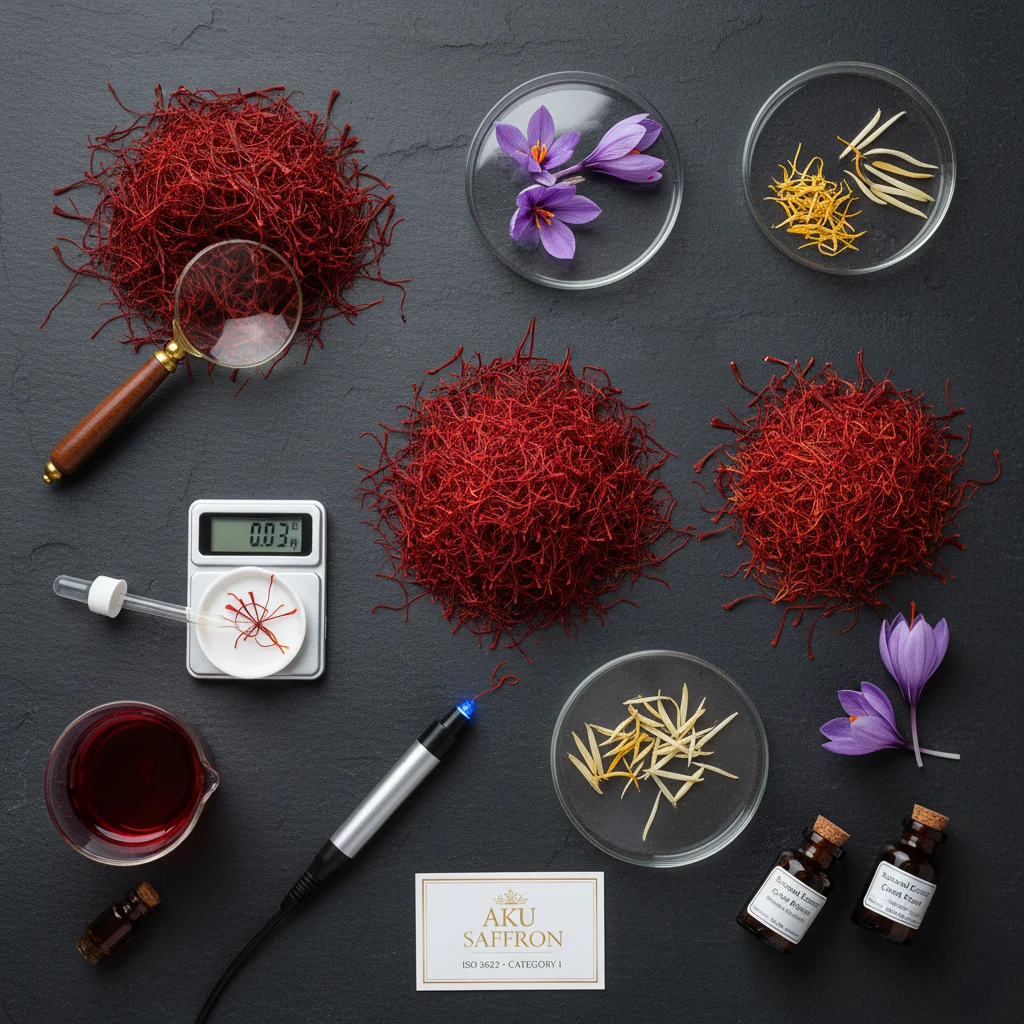
The pursuit of Crocus sativus L., the globally coveted spice known as saffron, is a journey into the convergence of ancient agriculture, meticulous hand-harvesting, and precise geographical specificity. Saffron, often referred to as 'red gold' due to its intensive labor requirements and resultant market value, is not a monolithic commodity. Its quality, potency, and organoleptic properties are profoundly dictated by terroir—the intricate interplay of climate, soil, and human expertise. For Aku Saffron, the commitment to delivering uncompromising quality necessitates a rigorous evaluation of global production centers. This analysis delineates the premier regions responsible for cultivating the world’s highest-grade saffron, alongside the chemical benchmarks that define true excellence.
Die globale Safran-Triade: weltweit führenden Safranquellensind
While saffron is cultivated across dozens of countries, three distinct regions have established dominance in producing threads that consistently achieve, and often exceed, the pinnacle of international quality standards (ISO 3632, Category I).
1. Iran: The Cradle of Cultivation and Global Volume Leader
The Great Khorasan region of Iran stands as the historical and contemporary epicenter of saffron production, accounting for over 90% of the global supply. This arid plateau, characterized by sweltering dry summers and short, cold winters, subjects the Crocus sativus corm to the specific climatic stress required to maximize the concentration of its active chemical compounds. The sheer volume of Iranian production is matched by its emphasis on superior grades.
Distinctive Specification Profile (The Super Negin Grade):
The premium grade most associated with Iranian excellence is Super Negin. This classification refers to the longest, thickest stigmas, carefully separated to eliminate all traces of the yellow and white style, thus maximizing the ratio of potent red pigment.
- Coloring Strength (Crocin): Iranian Super Negin saffron is the global benchmark for chromogenic strength. It routinely demonstrates spectrophotometric absorption readings (at 440 nm) well in excess of 200, placing it securely at the upper echelon of ISO Category I. This extreme saturation provides unparalleled coloring power in culinary and medicinal applications.
- Morphology: Threads are consistently long, robust, and uniformly crimson. The drying method, often a traditional yet controlled process, is pivotal in achieving the threads’ high dry-matter concentration and maintaining physical integrity.
- Aroma & Flavor: The intensity of the bitter-earthy notes (Picrocrocin) and the pungent, hay-like aroma (Safranal) are highly concentrated, reflecting the ideal soil and thermal conditions of the Khorasan provinces.
Kashmir, India: The Rarity of the 'Mogra' Thread
Saffron cultivated in the high-altitude fields of Pampore, in the Kashmir valley of India, is universally recognized for its unparalleled aroma, superior length, and deep, dark coloration. This region’s heritage cultivation methods and unique terroir have secured a Geographical Indication (GI) tag for Kashmiri saffron, certifying its origin and safeguarding its integrity. Despite facing contemporary production challenges, its historical and qualitative prestige remains unassailable.
Distinctive Specification Profile (The Mogra Grade):
Kashmiri saffron is often processed into two main grades: 'Lacha' (threads with the yellow style attached) and 'Mogra' (fully trimmed stigmas). The Mogra grade represents the pinnacle of Kashmiri quality.
- Coloring Strength (Crocin): High-grade Kashmiri Mogra achieves robust Category I standards, often with a slightly darker, more reddish-purple hue than its Persian counterpart, resulting in intense saturation.
- Organoleptic Signature: This variety is renowned for its sweeter, richer, and more pronounced aroma. This specific aromatic complexity is often attributed to the high organic matter content in the Karewa soil of the valley and the ambient humidity during the curing process.
- Appearance: Kashmiri threads are distinctively thicker and among the longest in the world. This morphological difference contributes to their visual allure and is a key identifier of this prestigious origin.
3. La Mancha, Spain: The Mark of Controlled Origin
Spanish saffron, principally from the La Mancha region, carries a unique distinction: the Protected Designation of Origin (PDO) certification (Azafrán de La Mancha). This official European Union designation mandates strict adherence to traditional cultivation practices, rigorous quality control, and confirmation that all processing—from harvesting to trimming and toasting—occurs within the specified geographical boundaries.
Charakteristisches Spezifikationsprofil (g.U. Azafrán):
The PDO status ensures an exceptionally clean, meticulously sorted, and consistently reliable product. Spanish saffron is often dried traditionally over low heat, which is believed to contribute to its unique profile.
- Coloring Strength (Crocin): While highly potent and guaranteed to meet Category I standards, the average Crocin levels for PDO La Mancha may be marginally lower than the peak Iranian Super Negin. However, the PDO mandates a minimum Coloring Power of 190, ensuring a high-grade product.
- Flavor Profile: Spanish saffron is frequently characterized as having a more refined and floral aroma compared to the earthier, more pungent Persian varieties. This subtle difference is highly valued in the Spanish and Mediterranean culinary traditions, where its flavor is less dominating.
- Integrity: The PDO guarantees that the threads are never fragmented, ensuring high physical quality. The stringent local regulations minimize the likelihood of adulteration, which is a significant concern in the global saffron trade.
The Crucial Criteria: Defining a Superior Saffron Thread
The ultimate measure of saffron's excellence transcends regional loyalty and resides in its quantified chemical composition, as codified by the International Organization for Standardization (ISO) 3632. This standard evaluates the three critical active compounds of the spice, collectively determining its category.
1. Coloring Strength (Crocin)
Crocin is the key component. It is a digentiobiose ester of crocetin that dictates the maximum attainable color yield. The ISO standard uses spectrophotometry at a wavelength of 440 nanometers (nm) to measure the concentration of Crocin.
- ISO Grading: Saffron is classified into three categories based on this absorption reading. Category I is reserved for absorption values of 190 or higher. A superior saffron, such as the highest grade from Khorasan or Kashmir, will exhibit values exceeding 200. This is the single most critical factor in determining market value and potency.
2. Flavor and Bitterness (Picrocrocin)
Picrocrocin is a glycoside that imparts saffron's characteristic and powerful bitter taste. This compound is the precursor to Safranal and its concentration is a strong indicator of the saffron's freshness and proper curing.
- Measurement: Picrocrocin levels are measured spectrophotometrically at 257 nm. High values confirm the threads possess the necessary depth of flavor to impart a true saffron profile to a dish. Low Picrocrocin suggests an older, less potent, or incorrectly cured product.
3. Aroma und Duft (Safranal)
Safranal is the volatile oil derived from Picrocrocin during the drying process. It is the compound responsible for saffron’s unique, persistent, and penetrating aroma, which is often described as a blend of honey, hay, and musk.
- Measurement: Safranal concentration is measured at 330 nm. Quality saffron must exhibit a robust Safranal level, confirming that the threads have retained their essential volatile oils and were dried under optimal conditions. Conversely, extremely high Safranal can sometimes indicate excessive toasting or processing, while very low levels signal product age or poor storage.
The Aku Saffron Mandate
For a brand committed to purity and potency like Aku Saffron, the selection of the raw spice is paramount. A truly superior saffron thread must exhibit a physical appearance that is wholly red, free of yellow style, and possess the length and structural integrity expected of the world's most delicate harvest. More critically, it must be chemically certified, delivering Crocin values that place it firmly within the most elite range of ISO 3632 Category I. By sourcing exclusively from the rigorous standards upheld in Khorasan, Kashmir, and La Mancha, and verifying through independent lab analysis, we ensure the integrity and majesty of this timeless spice.